



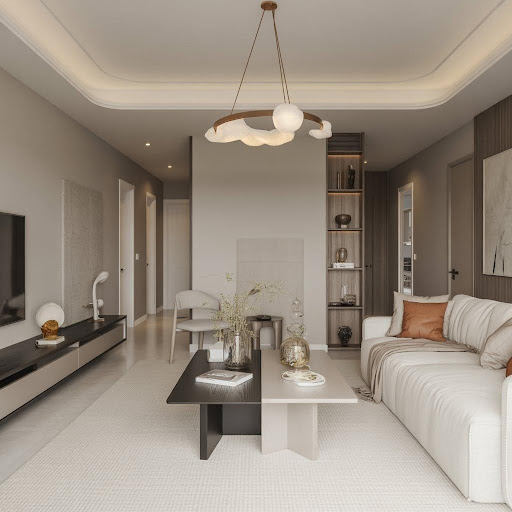
From Concept to Creation: How Interior Design Transforms Ideas into Refined Spaces
From Concept to Creation: How Thoughtful Design Becomes a Finished Space
Every well-designed space begins with an idea. A sense of how a room should feel. A vision of how it should function. An instinct that something needs to change.
But an idea, however clear, is only the starting point. What determines the quality of the final space is not the strength of the vision. It is the rigour of the process that carries it through.
Why the Gap Between Vision and Reality Exists
Most design projects begin with real momentum. The direction feels clear, the inspiration is strong, and the possibilities feel open. But as the process moves forward, complexity accumulates in ways that are easy to underestimate.
Materials need to align with one another and with the overall vision. Measurements must be precise. Timelines need to account for the reality of sourcing, lead times, and installation. Budgets need to be managed not just at the outset but throughout every stage of decision making.
Without a structured process holding all of this together, even the strongest creative vision begins to lose its coherence. Decisions get made reactively, based on what is available or convenient rather than what is right. The space that is eventually delivered looks close to the original idea but never quite captures it. Something is always slightly off, and it is usually because the process lost its discipline somewhere in the middle.
Clarity Before Decisions
The foundation of any successful interior design project is clarity, established early and held throughout.
Before a single material is selected or a piece of furniture considered, the fundamental questions need honest answers. What should this space feel like to the people living in it? How does it need to function across different moments of the day? What matters most, and what can be reconsidered if necessary?
This stage is less about choosing and more about defining. It sets the direction that every subsequent decision will need to serve. When this foundation is solid, choices become easier to make and easier to defend. When it is skipped or rushed, the process never quite recovers.
Translating Vision Into Practical Decisions
Once the direction is clear, design moves from the conceptual into the tangible. This is where the real craft begins.
Layout is refined to improve flow and ensure the space functions the way it needs to. Materials are selected not only for their appearance but for their longevity and how they will hold up within the specific context of the space. Colour palettes are developed to create cohesion across every surface and element. Furniture is chosen to support both comfort and daily use, not simply to fill a room or reference an inspiration image.
Each decision in this stage builds on the one before it. Nothing exists in isolation. The quality of a space at this point is determined not by any single choice but by how well all the choices speak to one another.
Staying Grounded Through Complexity
As a project progresses, complexity naturally increases. Multiple elements are being developed simultaneously. Timelines begin to overlap. Adjustments are sometimes required as the reality of a space reveals itself more fully.
This is the stage where discipline matters most. It is easy to get distracted by new ideas, external influences, or the temptation to deviate from the original direction in response to what is trending or immediately available. But consistency is what protects the integrity of a design throughout this process. Every adjustment should be measured against the original vision, not made in isolation from it.
Clarity established at the beginning only remains useful if it is actively maintained to the end.
Execution Is Where Design Is Proven
The final stage is where everything either comes together or reveals the weaknesses in what preceded it.
Plans are implemented. Selections are installed. Details are refined. Design at this point is no longer theoretical. It becomes a lived experience, and the quality of every decision made throughout the process becomes visible in a way that cannot be concealed.
When the process has been intentional from the start, the result feels cohesive and complete. Not because everything went exactly to plan, but because every decision was made in service of the same vision. The space feels resolved. Considered. Like nothing is there by accident and nothing is missing.
The Details That Define a Refined Space
It is often the smallest decisions that determine whether a space feels finished or truly refined.
The alignment of finishes across a room. The placement of lighting and what it draws attention to. The balance of textures and how they interact at different times of day. These are not always the elements that photograph prominently or feature in a brief. But they are the elements that shape how a space is experienced by the people living in it, day after day.
Attention to detail at this level is not obsession. It is the standard that separates a completed project from an exceptional one.
The NateBel Interiors Approach
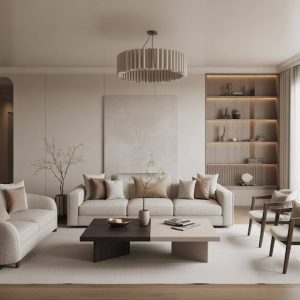
At NateBel Interiors, design is approached as a structured and intentional process from the first conversation to the final installation.
Clarity is established before decisions are made. Every choice is connected to the overall vision rather than made in isolation. Execution is handled with the same level of care as the concept stage, because we understand that the quality of a finished space is only ever as strong as the process that produced it.
The result is not simply a space that looks good. It is a space that functions well, holds its integrity over time, and feels exactly as it was always meant to.
Post a Comment
You must be logged in to post a comment.