



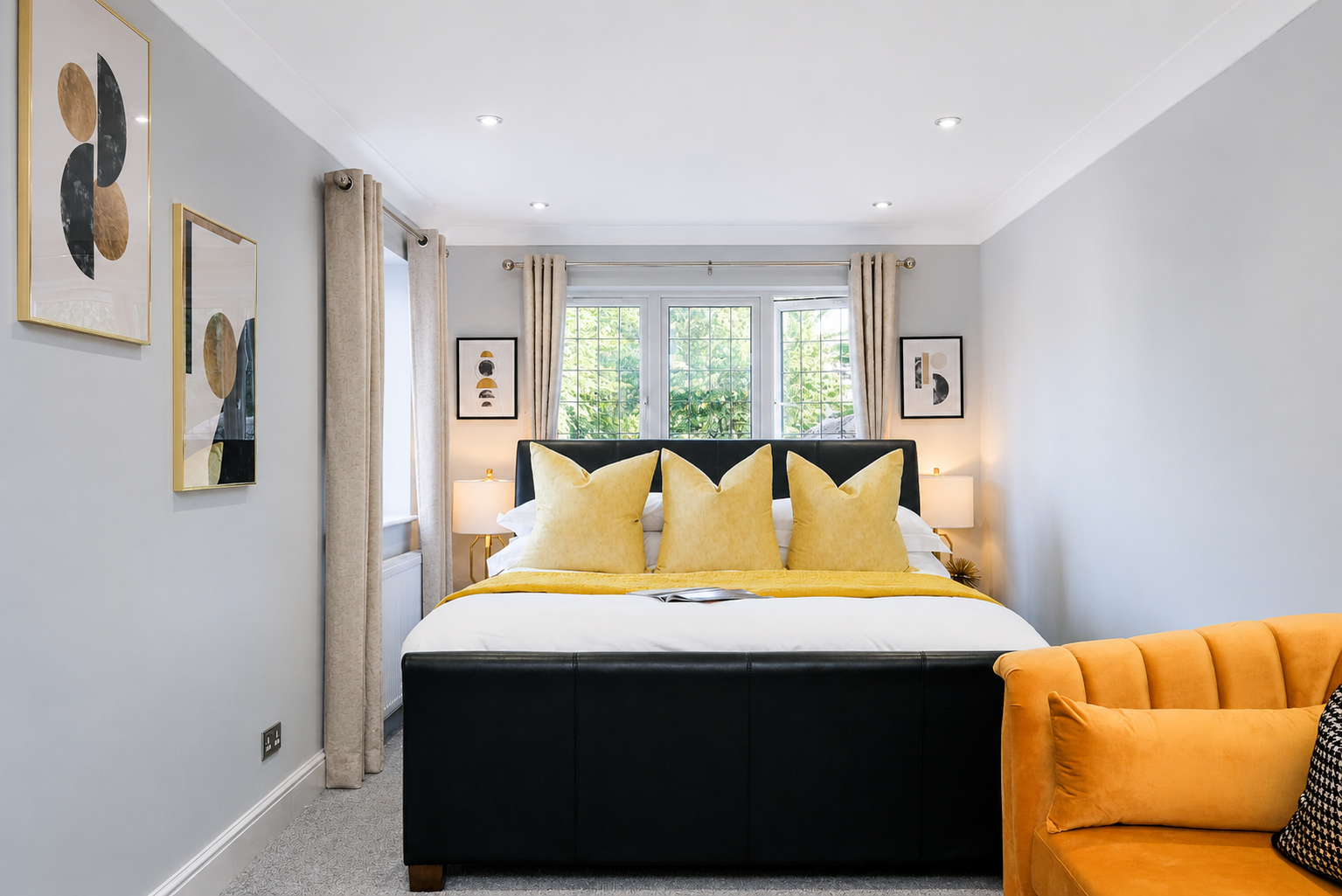
How Texture Shapes the Feeling of a Room: The Overlooked Element of Interior Design
How Texture Shapes the Feeling of a Room
When people think about interior design, they often focus on colour.
They discuss paint choices, furniture styles, layouts, lighting, and decorative accessories. Yet one of the most influential elements in any interior is rarely the first thing people notice.
Texture.
In many ways, texture is what determines how a room feels.
It is the difference between a space that looks attractive but feels cold, and one that immediately feels warm, inviting, and comfortable. It is often what separates a room that appears finished from one that feels complete.
While colour may catch your attention, texture is often what shapes your experience of a space.
Why Some Rooms Feel Flat Despite Looking Beautiful
Have you ever walked into a room that looked well-designed but somehow felt underwhelming?
The furniture was attractive.
The colour palette worked.
The finishes were expensive.
Yet something felt missing.
More often than not, the issue is a lack of texture.
Without variation in materials, surfaces, and finishes, rooms can feel visually flat and one-dimensional. Everything blends together. There is little contrast. The eye has nowhere to travel.
Even luxury interiors can feel sterile when texture has not been carefully considered.
This is why beautiful design is not simply about selecting attractive items. It is about creating layers that work together to produce a richer and more engaging experience.
What Texture Actually Does in Interior Design
Texture introduces depth, balance, warmth, and visual interest.
It softens hard surfaces.
It adds character to neutral colour palettes.
It creates contrast between materials.
It helps spaces feel more comfortable and more lived in.
A room filled entirely with smooth, reflective surfaces will feel very different from a room that combines natural wood, soft fabrics, textured stone, and layered finishes.
The difference is often subtle, yet the impact is significant.
Texture influences how people perceive a space long before they consciously identify why they feel comfortable there.
Why Texture Creates a Sense of Luxury
One of the biggest misconceptions in interior design is that luxury is created through expensive materials alone.
In reality, luxury is often created through thoughtful layering.
A room does not need to be filled with costly furniture to feel sophisticated. It needs depth, balance, and visual richness.
Natural timber, woven fabrics, textured wall finishes, soft upholstery, brushed metals, and carefully selected materials all contribute to the overall experience of a space.
This is one of the reasons many high-end interiors feel calm rather than overwhelming.
The materials do the work.
The room feels considered.
The experience feels elevated.
Creating this balance requires a careful understanding of how different materials interact with one another throughout a space.
How Texture Influences Atmosphere
Texture does more than affect appearance.
It affects atmosphere.
Soft textures tend to make spaces feel more comfortable and welcoming.
Natural materials often introduce warmth and authenticity.
Layered finishes can create a sense of richness and depth.
Even within a neutral colour palette, texture can dramatically alter how a room feels.
This is why two rooms with similar colours and layouts can create completely different emotional responses.
One feels inviting.
The other feels cold.
One feels relaxed.
The other feels formal.
Often, texture is the hidden factor influencing that experience.
Why Texture Matters More Than Many Homeowners Realise
Most homeowners notice when a room looks beautiful.
Fewer understand why it feels beautiful.
Texture is often one of the reasons.
It quietly supports the atmosphere of a room without demanding attention.
It helps create spaces that feel complete rather than simply decorated.
When thoughtfully applied, texture brings balance to an interior and helps create a home that people genuinely enjoy spending time in.
Many of these principles can be seen in thoughtfully designed living spaces where material selection, layering, and functionality have been carefully considered together.
Final Thoughts
Great interior design is about more than what we see.
It is about what we experience.
Texture plays a significant role in shaping that experience.
It influences how a room feels, how comfortable it becomes, and how people connect with the space around them.
At NateBel Interiors, we believe the most successful interiors are not simply beautiful to look at. They are enjoyable to live in.
Because ultimately, a room should do more than impress visually.
It should create an experience that people want to return to every day.
If your home feels flat, unfinished, or disconnected despite your best efforts, cohesive interior design can help bring greater depth, warmth, and balance to your space.
Related Articles:
Post a Comment
You must be logged in to post a comment.