



Why Kitchens Fail Despite Looking Stunning: The Hidden Importance of Functional Kitchen Design

Why Kitchens Fail Despite Looking Stunning
Few rooms receive more attention during a home renovation than the kitchen.
Homeowners spend countless hours researching layouts, selecting finishes, choosing appliances, and gathering inspiration. By the time the project is complete, the kitchen often becomes the visual centrepiece of the home.
Yet despite all this effort, some kitchens begin to disappoint surprisingly quickly, not because they are unattractive, not because the materials are poor quality. But because they do not function well.
This is one of the biggest misconceptions in residential interior design. A beautiful kitchen is not necessarily a successful kitchen.
The true test of a kitchen begins after the photographs are taken and everyday life starts.

Why Aesthetic Kitchen Design Is Not Enough
Many kitchens are designed with visual impact as the primary objective. The island looks impressive. The cabinetry is flawless. The worktops are luxurious. The styling is magazine-worthy.
While aesthetics matter, they represent only one part of a successful kitchen.
The reality is that homeowners interact with their kitchens hundreds of times every week. Cooking, cleaning, entertaining, unpacking shopping, preparing lunches, helping children with homework, and hosting family gatherings all place demands on the space.
A kitchen that looks beautiful but performs poorly will eventually become frustrating to use.
This is why good interior design must go beyond appearance and consider functionality, movement, storage, lighting, and everyday routines.
How Functional Kitchen Design Improves Everyday Living
The most successful kitchens are designed around people rather than trends.
Before selecting finishes or appliances, it is important to understand how the space will actually be used.
Who cooks most often?
How many people use the kitchen at the same time?
Does the household entertain frequently?
Are young children involved in daily activities within the space?
The answers to these questions often have a greater impact on the success of a kitchen than the aesthetic choices themselves.
A well-designed kitchen should support daily life effortlessly. It should reduce friction, improve organisation, and make everyday tasks easier. Creating a kitchen that performs well requires careful consideration of layout, storage, lighting, and the way the household functions on a daily basis.
Poor Kitchen Layouts Create Daily Frustration
One of the most common reasons kitchens fail is poor flow. The layout may look impressive on paper, but everyday movement feels awkward.
People find themselves walking unnecessary distances between preparation areas, appliances, and storage. The island becomes an obstacle instead of an asset.
Cabinet doors clash with one another. Circulation routes compete with workspaces.
These issues may seem minor in isolation, but because they occur repeatedly throughout the day, they have a significant impact on how the kitchen feels to use.
Good kitchen design should make movement feel natural and intuitive.
When a layout works well, most people barely notice it.
When it doesn’t, they notice it every day.
Why Kitchen Storage Matters More Than Most People Realise
Storage is often one of the most underestimated elements of kitchen design. A beautifully styled kitchen looks clean because very little is visible. Real life is different.
Small appliances, cookware, food, recycling, cleaning products, children’s items, and everyday essentials all need a place to live.
Without sufficient storage, even the most beautiful kitchen can quickly become cluttered and difficult to maintain.
Thoughtful storage design helps homeowners preserve both functionality and visual calm.
It is often one of the most valuable investments within a kitchen redesign.
The Role of Lighting in Kitchen Performance
Lighting does far more than create atmosphere. It directly affects how a kitchen functions. A kitchen may look warm and inviting in the evening, yet become frustrating to work in if food preparation areas are poorly illuminated.
Successful kitchen lighting balances ambience with practicality.
Task lighting, decorative lighting, and ambient lighting each play an important role.
When combined effectively, they improve both the experience and performance of the space.
The Most Successful Kitchens Balance Beauty and Function
The best kitchens are rarely the most extravagant. They are the ones that quietly support everyday life. They make cooking easier. They improve organisation. They encourage connection. They reduce frustration.
And they continue performing long after design trends have changed.
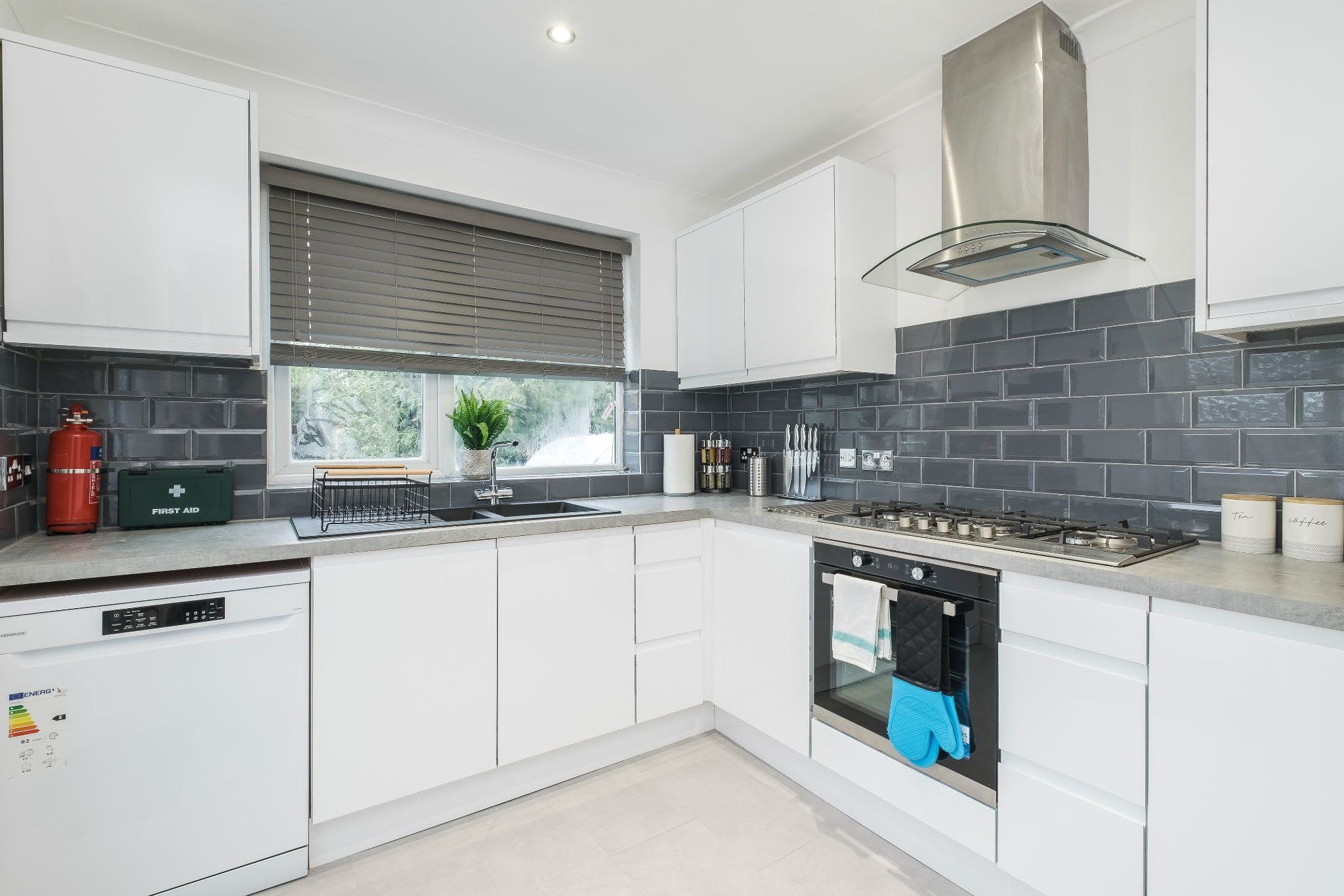
Many of these principles can be seen in thoughtfully designed kitchens and living spaces where functionality and aesthetics have been considered together from the outset.
Final Thoughts
At NateBel Interiors, we believe interior design is about more than creating beautiful spaces.
It is about creating spaces that work beautifully too.
Because ultimately, the success of a kitchen is not measured by how it photographs.
It is measured by how it performs every day for the people who live there.
If your kitchen no longer supports the way you live, cook, entertain, or spend time with family, a thoughtful redesign can make a significant difference.
Related Article:
Post a Comment
You must be logged in to post a comment.