



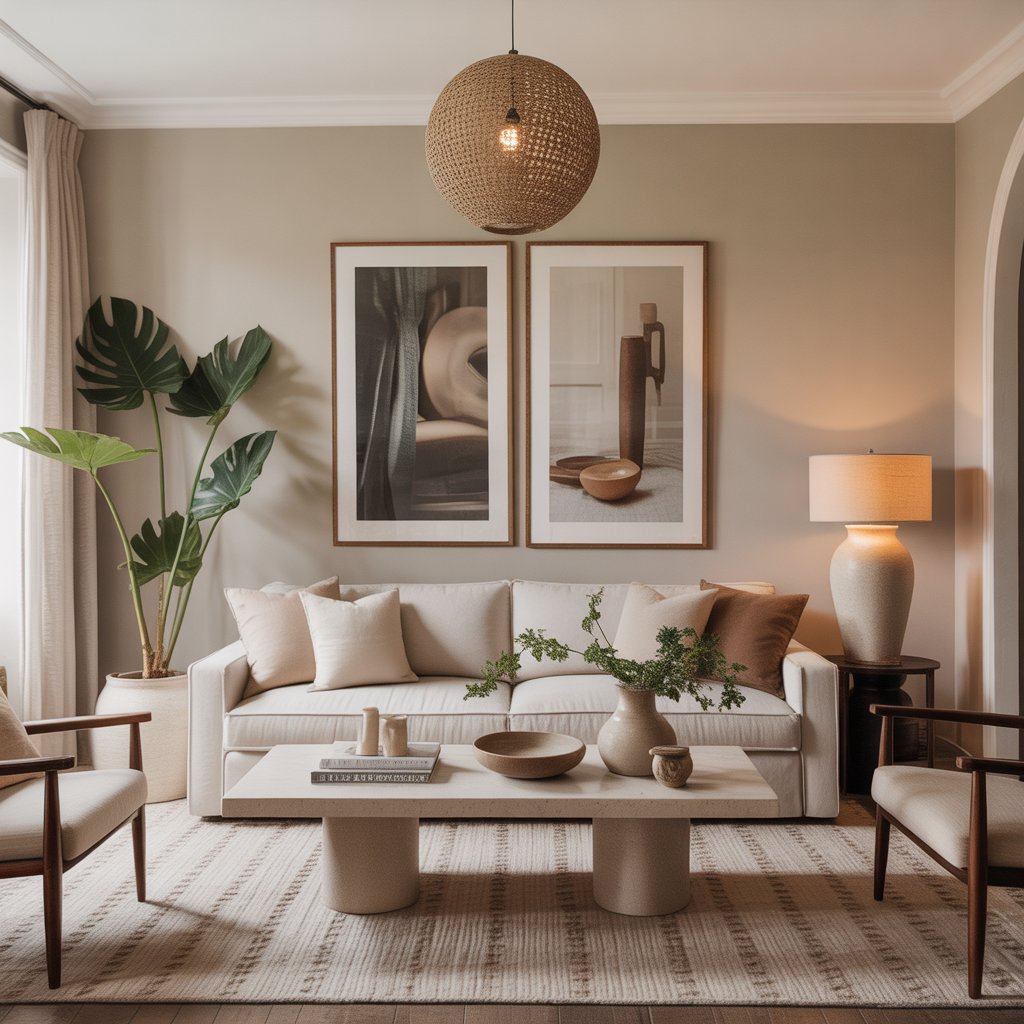
The Psychology of Interior Design: How Your Space Shapes How You Feel
The Journey from Idea to Reality
Every extraordinary space begins as an idea. It may start with a sketch, a conversation, or a single inspiration. But transforming that spark into a fully realized interior is a process a careful balance of vision, strategy, and execution.
At NateBel Interiors, our design process is structured yet fluid. We believe that great design is not accidental; it is the product of deliberate choices, guided by purpose and context. Each project is treated as a journey, one that moves from conceptual vision to tangible, livable reality.
Step 1: Understanding the Client and Context
The foundation of every project is understanding the people who will live in the space. We ask questions that go beyond surface aesthetics:
- How do you live in your home?
- What daily routines and rituals are important?
- Which experiences or moods do you want the space to evoke?
- Are there personal stories, objects, or memories to incorporate?
We also consider the physical context: architecture, natural light, views, and structural limitations. Understanding both the people and the space ensures that design decisions are relevant, functional, and meaningful.
Step 2: Concept Development
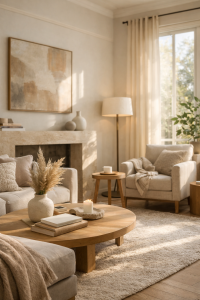
With insights gathered, the concept phase begins. Here, ideas take shape visually and strategically. We explore:
- Themes and moods: Should the space feel serene, vibrant, cozy, or minimalist?
- Material palettes: Selection of textures, finishes, and surfaces that complement the concept.
- Spatial layout: Planning circulation, scale, and proportion for functional living.
- Colour strategy: Balancing timeless neutrals with accent tones to create interest.
This stage is highly collaborative. Clients are invited into the process, ensuring the concept resonates with their lifestyle and personality. The goal is alignment before moving forward; everyone has a shared understanding of the design story.
Step 3: Detailed Design and Specification
Once the concept is approved, we dive into detailed design. This is where the vision becomes tangible:
- Furniture selection: Pieces are chosen for quality, function, and long-term relevance.
- Lighting plans: Layered lighting strategies are created to enhance ambiance and functionality.
- Material and finish schedules: Surfaces, fabrics, hardware, and fixtures are specified carefully to ensure cohesion.
- Custom elements: Built-ins, cabinetry, or bespoke furniture pieces are designed to integrate seamlessly.
Attention to detail at this stage ensures the final execution is smooth and precise. Every choice is intentional and considered no element is left to chance.
Step 4: Bringing the Concept to Life
Execution is where the design truly comes alive. Here, NateBel Interiors acts as both designer and project steward:
- Coordinating with contractors, artisans, and vendors to ensure the design intent is maintained.
- Overseeing timelines, budgets, and logistics without compromising quality.
- Problem-solving challenges that arise on-site while maintaining the vision.
This phase requires balance. It’s easy to lose sight of the original concept when faced with construction realities. Our approach ensures fidelity to the design while adapting intelligently to real-world conditions.
Step 5: Styling and Finishing Touches
Even after construction and installation, the space is not complete. Styling is where the space gains personality, warmth, and narrative:
- Layered textiles, rugs, and soft furnishings are curated for texture and comfort.
- Artwork, books, and personal objects are placed thoughtfully to reflect the inhabitant’s story.
- Lighting is adjusted to highlight features and create the desired atmosphere.
This phase transforms the home from a beautiful arrangement of objects into a lived-in, immersive experience.
Why the Process Matters
At NateBel Interiors, the process is as important as the final product. Following a structured approach ensures:
- Consistency: Every detail aligns with the overall vision.
- Functionality: Spaces are designed to support real-life living.
- Longevity: Choices are timeless and resilient, avoiding the need for frequent updates.
- Authenticity: Every home tells a story unique to its occupants.
The process ensures that the end result is not only aesthetically pleasing but also deeply personal and functional.
Lessons Learned from Years of Design
Through years of designing spaces, a few key truths have emerged:
- Listening is as important as designing. Understanding clients’ unspoken needs often makes the difference between a good space and a great one.
- Collaboration drives excellence. Architects, contractors, and artisans all contribute expertise. Managing these relationships carefully ensures quality and cohesion.
- Patience is essential. Rushed decisions rarely result in thoughtful interiors. The best spaces evolve thoughtfully over time.
- Details define the outcome. A room is only as strong as the sum of its parts. Finishes, hardware, textures, and lighting can make or break a design.
- Design is iterative. Spaces improve through reflection, testing, and adjustment. Flexibility is part of the process.
Bringing Function and Beauty Together
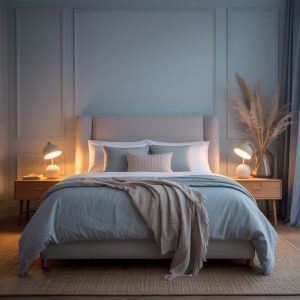
A well-designed space balances aesthetics and function. Each element serves both purpose and visual appeal. Circulation flows, storage is intuitive, and surfaces are durable all while maintaining a polished, elegant look.
At NateBel Interiors, we ensure that beauty is never sacrificed for utility, and utility never overshadows elegance.
The Takeaway
The journey from concept to creation is what turns ideas into spaces people love to inhabit. Natebel Interiors’ structured, intentional, and human-centered approach ensures every design decision is purposeful, functional, and timeless.
By focusing on understanding, concept development, execution, and finishing touches, we create interiors that are as personal as they are beautiful. Every home becomes a story, carefully crafted and flawlessly realized.
Post a Comment
You must be logged in to post a comment.